Recycling and Sustainability at Landscaping Coney Hall
 Landscaping Coney Hall is built on a simple idea: creating outdoor spaces that look good, perform well, and respect the environment around them. Our approach to Landscaping Coney Hall recycling is not an afterthought; it is part of how we plan, source, work, and clear up on every project. From soil and timber to green waste and packaging, we aim to keep useful materials in circulation for as long as possible, while reducing the volume sent to landfill. In practical terms, that means designing jobs around reuse, recovery, and responsible sorting, so that our landscaping work contributes to a cleaner local environment rather than adding to waste.
We have set a clear recycling percentage target of 90% for suitable non-hazardous materials generated across our landscaping operations. That target covers a mix of green waste, inert spoil, stone, aggregate, plastics, cardboard, and metal offcuts where recovery is possible. It also reflects our ongoing commitment to improving the way we handle materials on site. We keep our teams focused on separating waste at source, and we review disposal routes regularly to make sure the right material goes to the right place. This approach supports our wider Coney Hall landscaping sustainability goals and helps reduce pressure on local waste systems.
We also work closely with local transfer stations that can process mixed construction and landscaping waste responsibly. These facilities are important because they allow soil, rubble, turf, branches, and other site materials to be sorted and channelled into suitable recovery streams. In areas where boroughs encourage clearer waste separation, we follow those principles on every project by dividing green waste, general waste, recyclable packaging, and reusable materials wherever possible. This reflects the practical realities of local waste management, where careful separation can make a significant difference to recycling rates and resource recovery.
 A major part of our recycling and sustainability work involves partnerships with charities and community organisations. We look for opportunities to donate surplus items that still have life left in them, such as usable timber, planters, fixtures, furniture, tools, or decorative materials. By passing these on to charities, we help support community projects, reduce waste, and extend the value of materials that might otherwise be discarded. For Landscaping Coney Hall sustainability, these partnerships are especially important because they connect environmental responsibility with social benefit. It is a practical way to make sure that good materials continue serving a purpose.
In many cases, the most sustainable item is the one that does not need to be replaced. That is why we prioritise careful removal and selective reuse on site. Mature plants may be relocated where suitable, topsoil can often be screened and reused, and stone or paving can sometimes be recovered for hard landscaping features. We also reduce avoidable packaging waste by planning deliveries carefully and choosing suppliers that use recyclable wrapping, pallets, or minimal packaging. These small steps add up and help define a more responsible Landscaping Coney Hall recycle strategy across the full project cycle.
 Transport is another area where we are taking measurable action. Our fleet includes low-carbon vans designed to lower emissions during site visits, material movements, and equipment transport. By using more efficient vehicles and planning routes better, we reduce fuel use and cut the carbon footprint associated with everyday operations. This matters in a local landscaping context because short journeys can quickly become frequent, and each one contributes to overall emissions. Low-carbon vans support our aim to deliver quality work while making smarter choices about energy use and air quality.
The type of recycling activity we carry out also reflects the needs of the area. In boroughs where waste separation is strongly encouraged, we align with those expectations by sorting green waste separately from hardcore, metals, and general refuse. Garden cuttings, branches, leaves, and grass are directed toward composting or biomass recovery where appropriate, while inert materials such as soil and stone are handled through approved recovery routes. This careful separation improves the chance that materials can be reused instead of downgraded or disposed of unnecessarily. It is one reason our Coney Hall landscaping recycling practice remains focused on practical, traceable results.
Our recycling percentage target is reviewed alongside project planning so that sustainability is considered from the start rather than only at the end. On larger jobs, we can often plan for bulk material recovery in advance, which helps reduce contamination and improve outcomes. On smaller domestic projects, the same principles still apply: collect separately, sort properly, and direct each waste stream to the most appropriate facility. We also encourage efficient use of materials during installation, because fewer cut-offs, less spoil, and accurate ordering all help reduce waste before it is created.
Another important element of our sustainability work is the preference for durable, long-life materials. High-quality paving, weather-resistant timber, and well-chosen planting schemes reduce the need for frequent replacement and therefore lower future waste generation. Combined with reuse, recovery, and charity partnerships, this creates a more circular approach to landscaping. The result is a system where materials are valued for as long as possible, and disposal becomes the final option rather than the first. That is central to how we define responsible Landscaping Coney Hall recycling today.
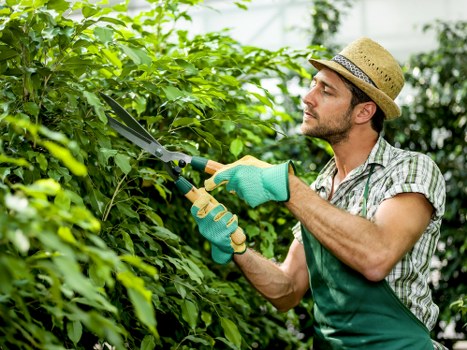 We are also mindful of how waste handling affects the wider local environment. Clean separation, safe storage, and timely collection all help prevent litter, contamination, and unnecessary disturbance. Where boroughs emphasise household-style sorting for paper, plastic, metal, and food waste, we mirror the same discipline in a site setting by keeping recyclable material streams distinct and clearly labelled. This makes it easier for our teams to work efficiently and for materials to be processed correctly once they leave the site. Sustainability is strongest when it is consistent, visible, and built into daily practice.
Low-carbon vans, local transfer stations, charity reuse, and a 90% recycling target all play a role in the same bigger picture. Together, they help Landscaping Coney Hall reduce waste, improve resource efficiency, and operate in a way that respects local expectations. We understand that landscaping should enhance the landscape without placing avoidable strain on it. For that reason, every material decision matters, from the first delivery to the final clearance. With each project, we continue refining our processes so that environmental care remains at the heart of our work.
 Sustainability is not a separate service at Landscaping Coney Hall; it is part of the way we work every day. By combining practical recycling systems, responsible disposal routes, charitable partnerships, and lower-emission transport, we are building a more efficient and more thoughtful approach to outdoor transformation. Whether the job involves soil, branches, paving, or packaging, we aim to keep materials moving through the right channels and out of landfill where possible. That is how our Landscaping Coney Hall recycling commitment supports both the community and the environment, project after project.